
How Tenafly Homeowners Can Prepare To List For Top Dollar
June 25, 2026
June 25, 2026
What separates a Tenafly home that sells quickly and strongly from one that lingers? In a market where price points are high and buyers notice condition fast, the answer is usually not one big flashy remodel. It is smart preparation, disciplined pricing, and a launch plan that makes your home feel move-in ready and well cared for. If you are thinking about selling, this guide will walk you through the prep steps that can help you list with confidence and aim for top dollar. Let’s dive in.
Tenafly is a high-value Bergen County market, but the numbers show that seller success is not automatic. Recent market snapshots point to strong pricing, yet they also show different days-on-market trends depending on the source and time frame. The common thread is clear: condition and pricing discipline matter.
One public snapshot for May 2026 showed a median listing price of $1.675 million, a median sold price of $1.499 million, and a median of 19 days on market. Another rolling data view showed a median sale price of $1.53 million, 76 median days on market, a 106.9% sale-to-list ratio, and 57.8% of homes selling above list. For you as a seller, that means great presentation can help your home compete for strong offers, while weak prep can leave money on the table.
Bergen County data also adds context. In March 2026, single-family average sale price was about $1.0 million, average days on market were 39, and active listings were down 35.6% year over year. In a market with limited inventory, buyers may move quickly, but they still compare condition, repair history, and perceived value very closely.
If you want the best return on your effort, start with visible, buyer-facing improvements. National remodeling and staging research supports a practical approach rather than a full pre-sale overhaul. In most cases, clean, bright, and well-maintained beats expensive and overbuilt.
The most defensible prep steps before listing are:
Research on remodeling impact found that painting the entire home, painting a single room, and new roofing were among the most commonly recommended pre-listing projects. The highest estimated cost recovery projects included a new steel front door, closet renovation, and a new fiberglass front door. That does not mean you should automatically replace major features, but it does show that first impressions and functionality carry weight.
Fresh paint is one of the simplest ways to make your home feel cleaner, brighter, and more current. It can also help buyers focus on the space itself instead of your personal style or signs of wear. If walls are heavily marked, bold, or inconsistent from room to room, repainting can make a noticeable difference.
Just as important are the surfaces buyers see up close. Floors, trim, doors, light switches, cabinets, and windows should look clean and cared for. If something is chipped, stained, loose, or visibly worn, it is often worth addressing before photos and showings.
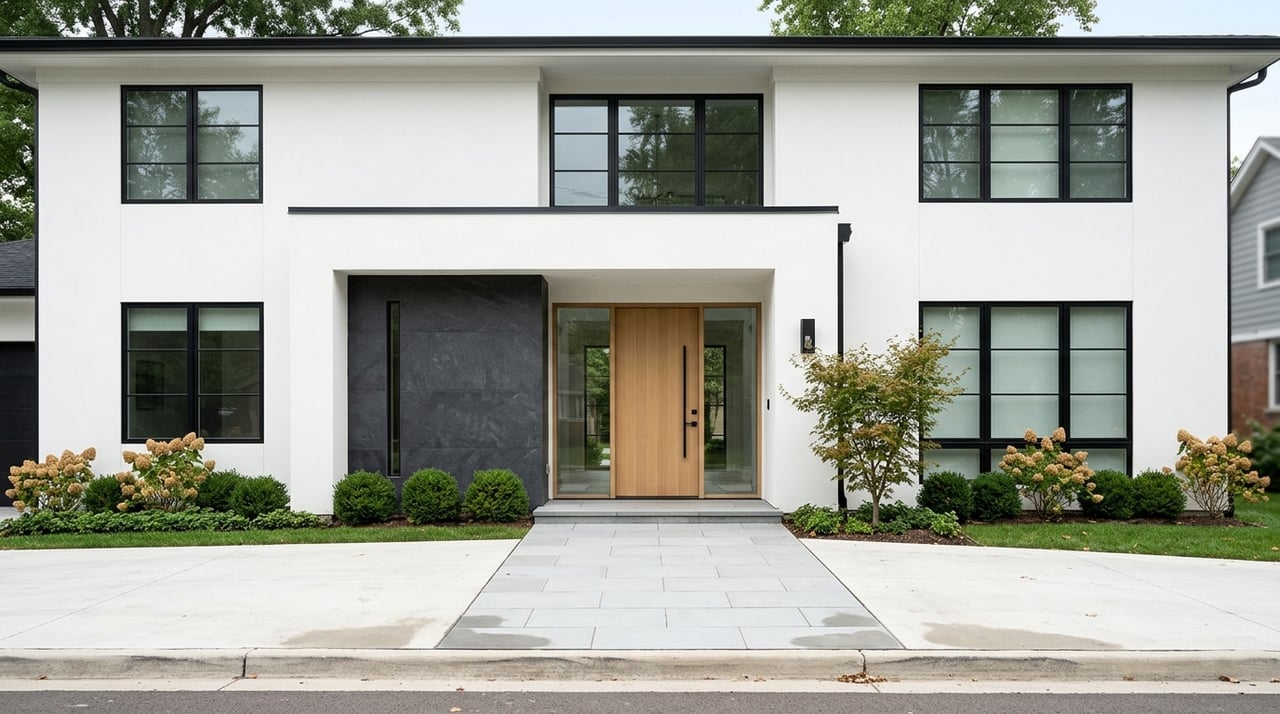
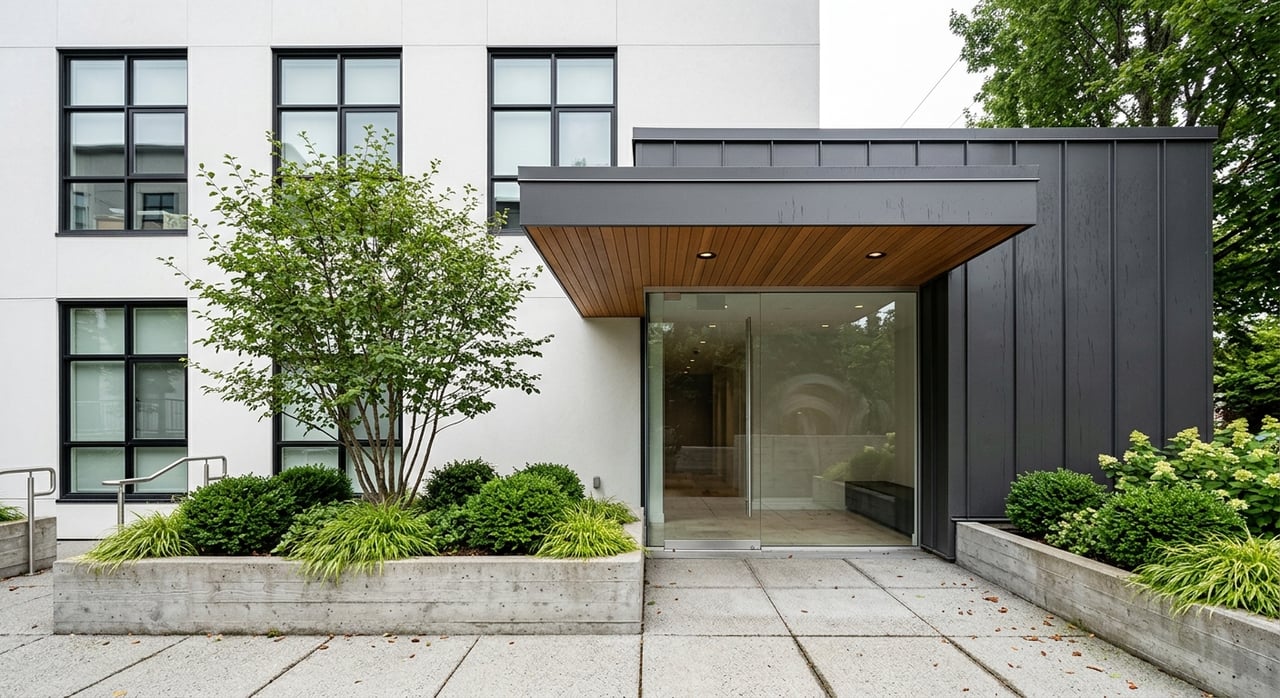
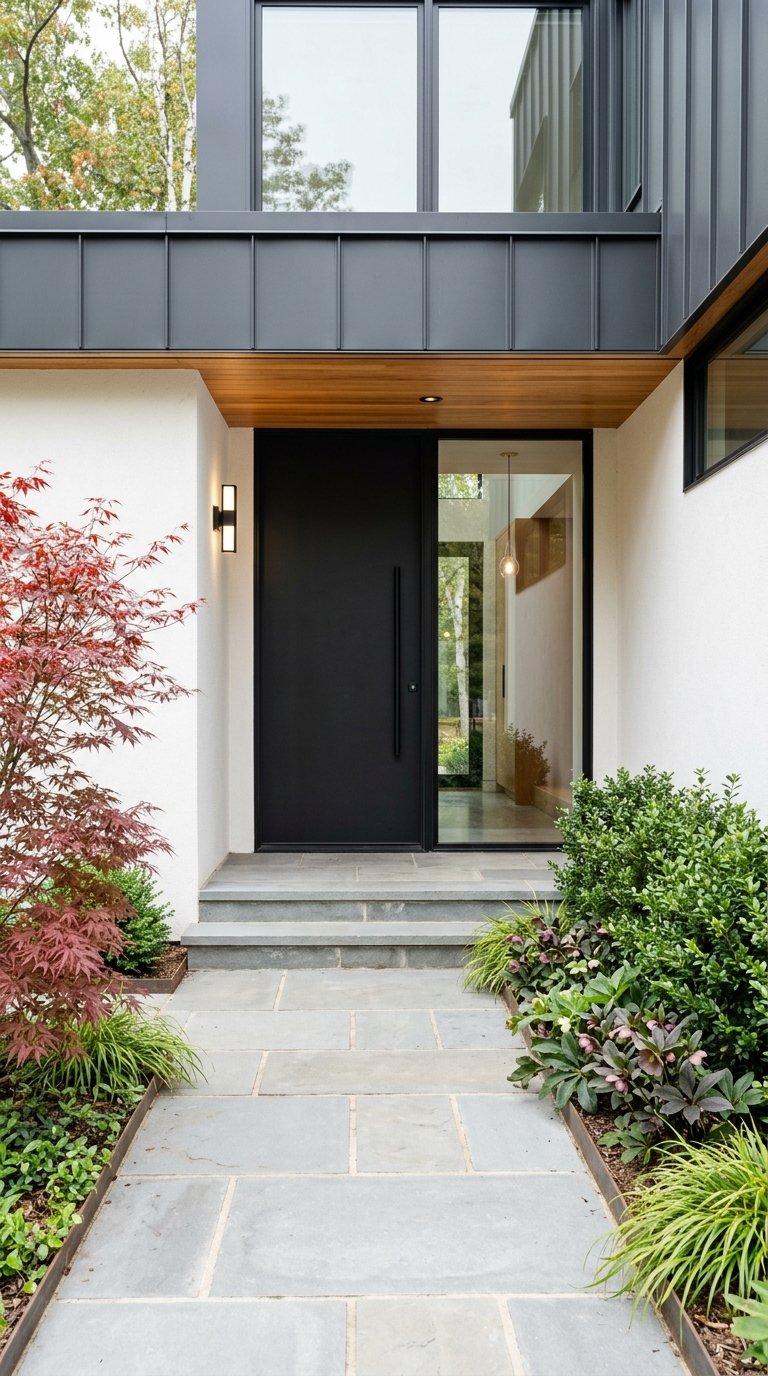
Your exterior sets the tone before buyers ever walk inside. A neat lawn, trimmed landscaping, swept walkways, clean glass, and a polished entry can all improve the first impression. If your front door is faded or dated, a refresh may be one of the smartest targeted updates you can make.
You do not need to create a brand-new exterior design. In most cases, the goal is simple: make the home look maintained, welcoming, and easy to picture as move-in ready.
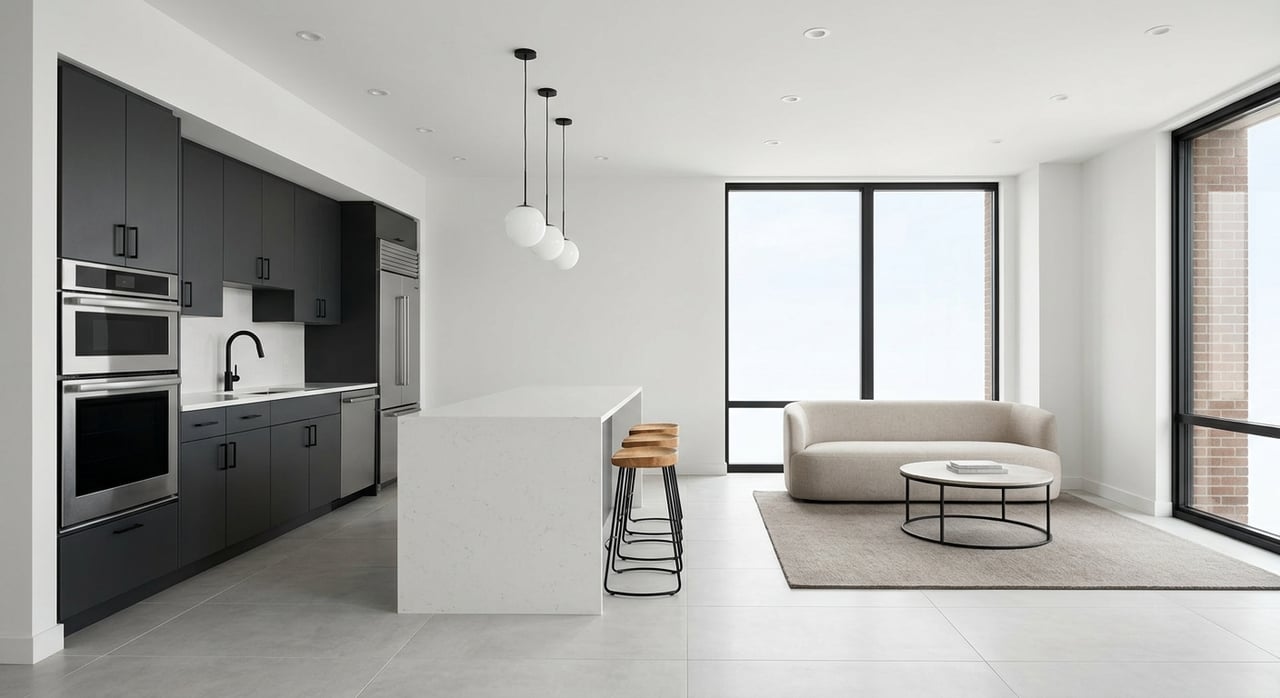
Staging is not about making your house look fake. It is about helping buyers understand the scale, function, and flow of each room. That matters even more in a high-value market where presentation shapes expectations.
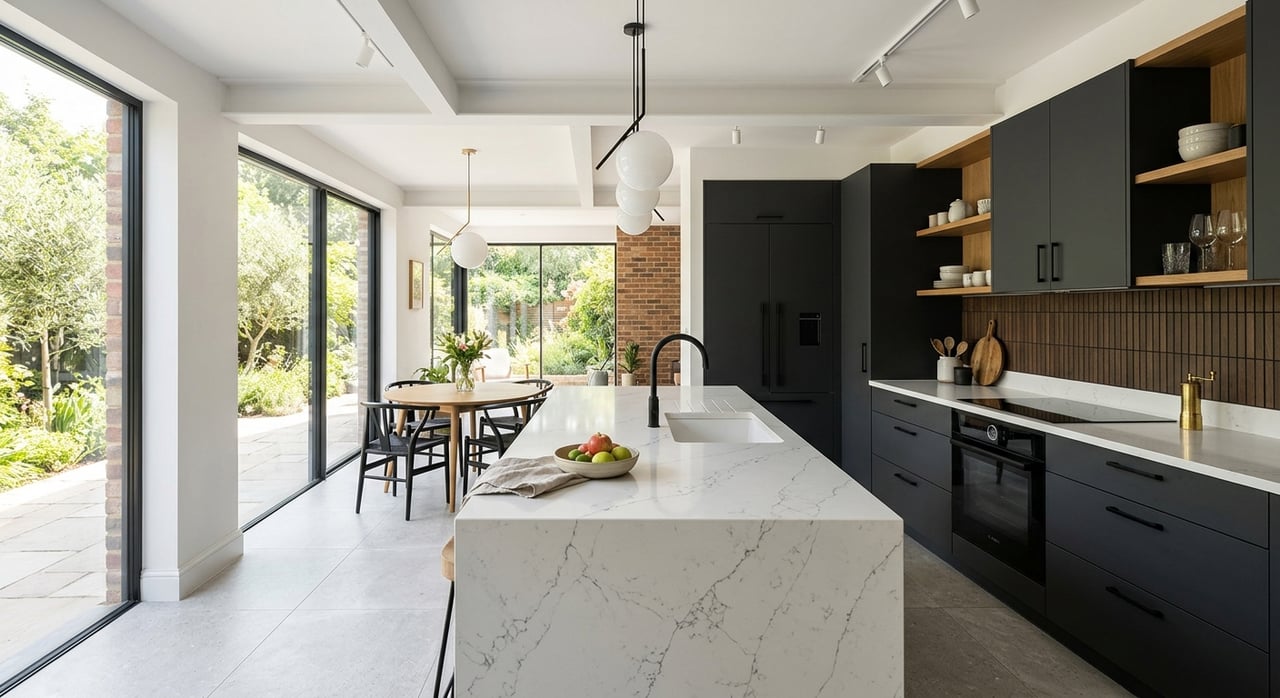
According to a 2025 staging report, 29% of agents saw a 1% to 10% increase in the dollar value offered when homes were staged, and 49% saw reduced time on market. The rooms most often staged were the living room, primary bedroom, and kitchen, which gives you a strong clue about where to focus first.
If you do not want to stage the entire home, start with the spaces that carry the most emotional and visual impact:
These are also the spaces that tend to stand out most in listing photos. Since buyers' agents rated photos, physical staging, videos, and virtual tours as highly important, your home should be fully ready before the camera arrives.
Before adding any finishing touches, remove excess furniture, personal items, bulky storage pieces, and anything that makes rooms feel crowded. Closets, countertops, vanities, mudrooms, and garage areas all matter. Buyers are not just evaluating style. They are also looking at storage, upkeep, and how easy the home feels to live in.
Cosmetic prep helps attract buyers, but unresolved repair or disclosure issues can derail a deal later. In New Jersey, sellers have detailed disclosure obligations, so it is wise to identify and organize problem areas early. That is especially true for items tied to water, systems, permits, or environmental conditions.
A practical rule is this: if an issue could create inspection concerns, financing concerns, or trust concerns, deal with it before listing if you can. This does not mean every home needs a full renovation. It means the home should feel transparent, functional, and well documented.
Give extra attention to:
New Jersey's seller disclosure form asks about many of these items in detail, including leaks, dampness, additions, permits, approvals, tanks, drainage, environmental hazards, toxic substances, and more. Since March 20, 2024, New Jersey sellers must also disclose specific flood risk information, including whether the property is in a FEMA special or moderate flood hazard area and any actual knowledge of flood risks.
For homes built before 1978, sellers must disclose known lead-based paint hazards and provide the required lead information materials, along with a 10-day buyer opportunity for inspection or risk assessment. New Jersey also recommends radon testing for all homes and advises mitigation when results are 4 pCi/L or higher.
A pre-listing inspection is optional, but it can be a smart move if you want fewer surprises. At minimum, checking major systems like HVAC, electrical, and plumbing before going live can help you spot issues before a buyer does. In a market like Tenafly, that can reduce renegotiation risk, repair credits, and closing delays.
This step is becoming more common. A 2025 seller survey found that 96% of potential sellers had already taken at least one prep step, and 27% had completed an inspection on the home they planned to sell. If your home has age, deferred maintenance, or a complicated history of updates, the value of early clarity can be significant.
One of the easiest ways to make the sale process smoother is to organize documents before your home hits the market. This can help with disclosures, buyer questions, and attorney review.
Create a file with:
When your records are easy to produce, buyers often feel more confident about the home and the transaction itself.
Many sellers assume top dollar requires a major remodel. Usually, that is not the most efficient path. Unless a dated feature is likely to trigger buyer objections, inspection concerns, or financing problems, large discretionary renovations may not be necessary.
The better strategy is often to fix what is broken, refresh what is visibly tired, and present the home beautifully. That approach lines up with the strongest evidence from staging and remodeling research. Buyers respond to homes that feel cared for, not just homes that spent the most money before listing.
Timing matters, but the bigger lesson is to be ready before the market's strongest window opens. For the New York-Newark-Jersey City metro, one 2026 timing analysis pointed to March 22 as the seasonal peak, with 4.6% higher listing prices than the start of the year, about $34,000 more in listing price, 18.3% more views, and 10 fewer days on market. Another 2026 analysis pointed a bit later, saying the last two weeks of May performed best nationally.
Those studies do not match perfectly, but together they suggest a practical plan for Tenafly sellers. Aim to be market-ready by early spring, with late spring still a solid fallback if you miss the earlier metro surge.
Do not schedule photos too early. Because photos and visual marketing matter so much to buyers, photography should happen only after:
Ideally, your home should look exactly the way you want buyers to see it online and in person. In many cases, your first showing now happens through the screen, not the front door.
If you want a clear path forward, use this prep sequence:
This kind of preparation supports what most sellers say they want help with most: pricing competitively, marketing the home well, finding a qualified buyer, and closing within a specific timeframe.
If you are preparing to sell in Tenafly, the goal is not perfection. The goal is to remove obvious friction, show pride of ownership, and launch with a polished story buyers can trust. When you combine smart prep with strong presentation, you put yourself in a much better position to protect value and compete for the best outcome.
If you want a boutique, hands-on strategy for getting your Tenafly home market-ready, Derik Palmieri can help you plan the right updates, presentation, and launch timing with a practical, owner-led approach.
Stay up to date on the latest real estate trends.
Get assistance in determining current property value, crafting a competitive offer, writing and negotiating a contract, and much more. Contact me today.